DR. JASON YUH, assistant professor of religion and theology, says his new book is the result of the symbiotic relationship between teaching and research. As It Is Written and Intended: Living Scripture and Reading Life came from both a need Yuh saw in the classroom to be able to point students to readings that were concise, consolidated and accessible, and from encouragement from students and faculty who experienced his lectures and knew he had something important to share.

In the book, Yuh outlines three interpretive principles from the opening chapters of the Bible that will help readers see Christ in Scripture and provides a series of examples of how to apply these principles so readers can benefit in their own reading. The first principle is the Creator-creature distinction. One of the implications of this distinction is that we are to read Scripture from God’s point of view and not our own. “In the opening chapters of Genesis, there’s a very distinct way that God introduces himself and the dynamics of his relationship with us,” says Yuh. While Christians may know that the Word of God is ultimately about him and not us, Yuh says we don’t apply that consistently. “We usually look at Scripture from the point of view of humanity, and already that forecloses so many of the biblical spiritual insights. If we see it from our perspective, we’re already blinded.”
The second principle Yuh outlines is the problem of sin. “Although we know there is this Creator-creature dynamic, we resist it. We hate to live according to it. We don’t trust it. We don’t submit to it.”
Yuh says that if we misdiagnose the sin problem, we’ll misprescribe the solution. “The essence of sin is distrust against God.” He says our distrust of God is on a gradient. “It’s a distortion, suppression and eventual rejection of God’s character and promises.”
“As readers begin to consistently see people like Abraham, Moses and David as side characters, they are being trained to see Christ as the rightful main character of not only Scripture but our lives. This is profoundly transformative and liberating!”
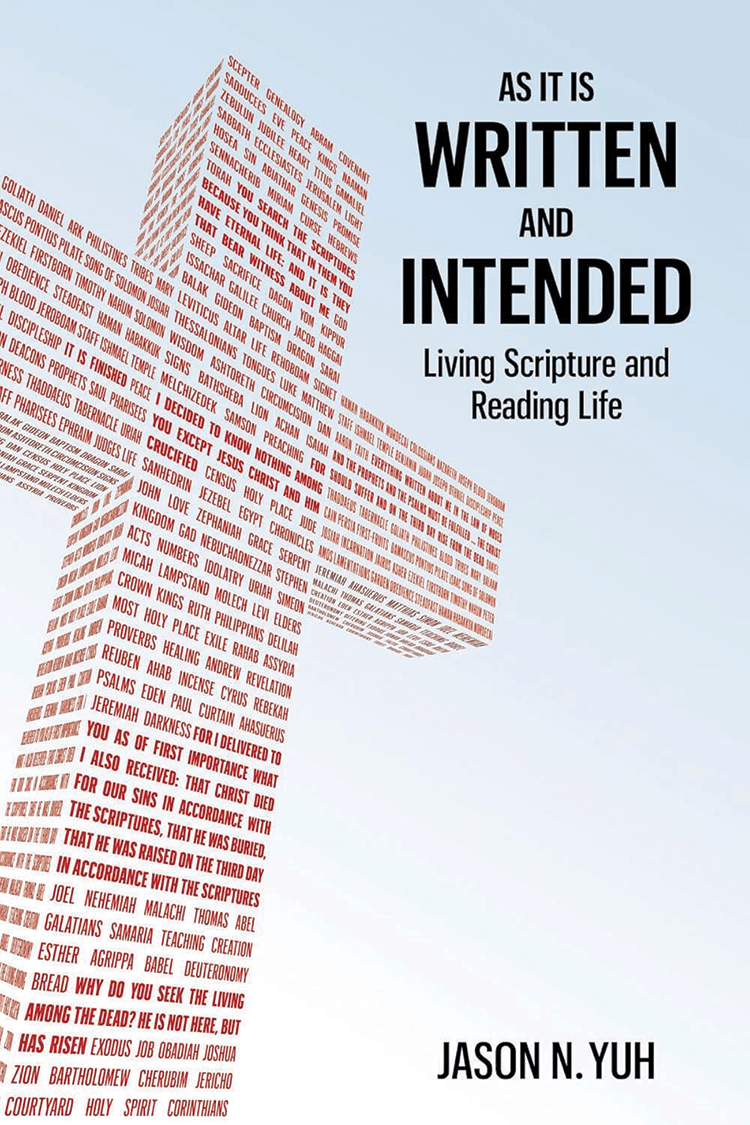
The final principle is the organism of Scripture. The last half of Genesis 3 outlines how the rest of Scripture will unfold. Yuh describes the unexpected way that God responds to Adam and Eve’s sin, which is at the heart of the Gospel. Rather than unleashing judgment for the full consequences of their sin, God makes four provisions or promises. “These four responses are almost like the table of contents for the rest of the Old Testament. All of those promises and responses are fulfilled in Jesus alone. He fulfills them through his death and resurrection.” The organism of Scripture trains us to see all of its details and promises orbiting around Jesus.
Yuh says the combination of these three principles is what helps people see Jesus Christ, especially his death and resurrection, organically and meaningfully in all parts of Scripture. “Many people would agree that the Bible is about Jesus Christ. But what aspects of Jesus? Is it his teachings, is it his love, is it inclusivity? But the Bible says it’s specifically about his death and resurrection.” He says a number of people would also agree with that, but might not make this connection with the death and resurrection of Christ organically and meaningfully. “It can feel forced … so it might not grip our heart or make us worship or appreciate Christ … it often doesn’t compel us to adore God.” Additionally, each chapter ends with questions for reflection and prayer to help readers respond in worship, making the book useful for personal devotionals or small group discussions.
As an academic who also serves as a part-time pastor, Yuh wanted his book to be suitable for students and ministers of the Gospel. In light of this, many people, especially from the Redeemer community, provided feedback on the readability and relevance of the manuscript. He is grateful for the way Redeemer has been a conducive place to produce such a book.
As it is Written and Intended seeks to offer readers a balance between fundamental principles and techniques for further application. While there are many books that provide good interpretations, Yuh’s book includes templates for readers to apply so that their future engagement with Scripture can be enriched. Conversely, while there are many books that provide how-to techniques that are easy to apply, often they do not address the fundamental principles that get at the heart of Scripture (i.e., Jesus Christ).
Through early readings, he’s also heard that it’s helped readers experience Scripture with more joy.
“… this approach has taken away the pressure when reading the Bible, whereas before Scripture was a source of obligation, confusion or guilt,” he says. “As readers begin to consistently see people like Abraham, Moses and David as side characters, they are being trained to see Christ as the rightful main character of not only Scripture but our lives. This is profoundly transformative and liberating!”
As a result of teaching these principles of biblical interpretation, Yuh has received encouraging feedback from students, laypeople and those in ministry as well. “One of my students described their engagement with Scripture as now being an invitation to learn about the Father’s character and promises, to appreciate how the Son has fulfilled both the consequences of their sin and their requirements of righteousness, and to recognize how the Spirit is efficaciously conforming them to the image of Christ.”
As It Is Written and Intended: Living Scripture and Reading Life is available at 21Five, Redeemer’s bookstore.